RESEARCHER / ENGINEER / EXPLORER
Subin Lin.
Making sense of
air, data, and cities.
I connect hands-on experiments, computational fluid dynamics, and AI to understand environmental systems.
Open to postdoctoral, research scientist, and R&D opportunities
A researcher who
crosses boundaries.
I am a PhD candidate in the Department of the Built Environment at the National University of Singapore, working at the intersection of environmental fluid mechanics, experiments, and data-driven modelling.
My doctoral research asks how building geometry and porosity shape street-canyon ventilation. I designed and conducted pressure-tap wind-tunnel experiments and use RANS/LES simulations to examine pedestrian wind, air exchange, and model fidelity.
My route here began with civil and environmental engineering at the Technion, followed by an MSc at KAIST combining water-treatment experiments, operational data, and machine learning. I developed graph-attention and recurrent models for dosage and turbidity prediction, leading to first-author papers in Water Research and the Journal of Water Process Engineering.
At the Berkeley Education Alliance for Research in Singapore, I worked on infrared-camera data collection, image preprocessing, and urban thermal analytics. That work contributed to a first-author dataset publication in Scientific Data.
Tracing pollutants.
Since September 2026, my research internship has focused on pollutant dispersion, source identification, and concentration forecasting with computational and statistical methods.
Designing local airflow.
Comparing aircraft-cabin air-terminal designs using CFD, with prototyping and experimental validation work in the NUS–Singapore Airlines collaboration.
Sharing what I learn.
Teaching Assistant for BPS5234A CFD Applications in the Built Environment, supporting modelling, simulation, and practical troubleshooting.
Measure. Model.
Make connections.
Three complementary ways of asking better environmental questions.
 01 / URBAN FLUID MECHANICS
Air moves.
Geometry matters.
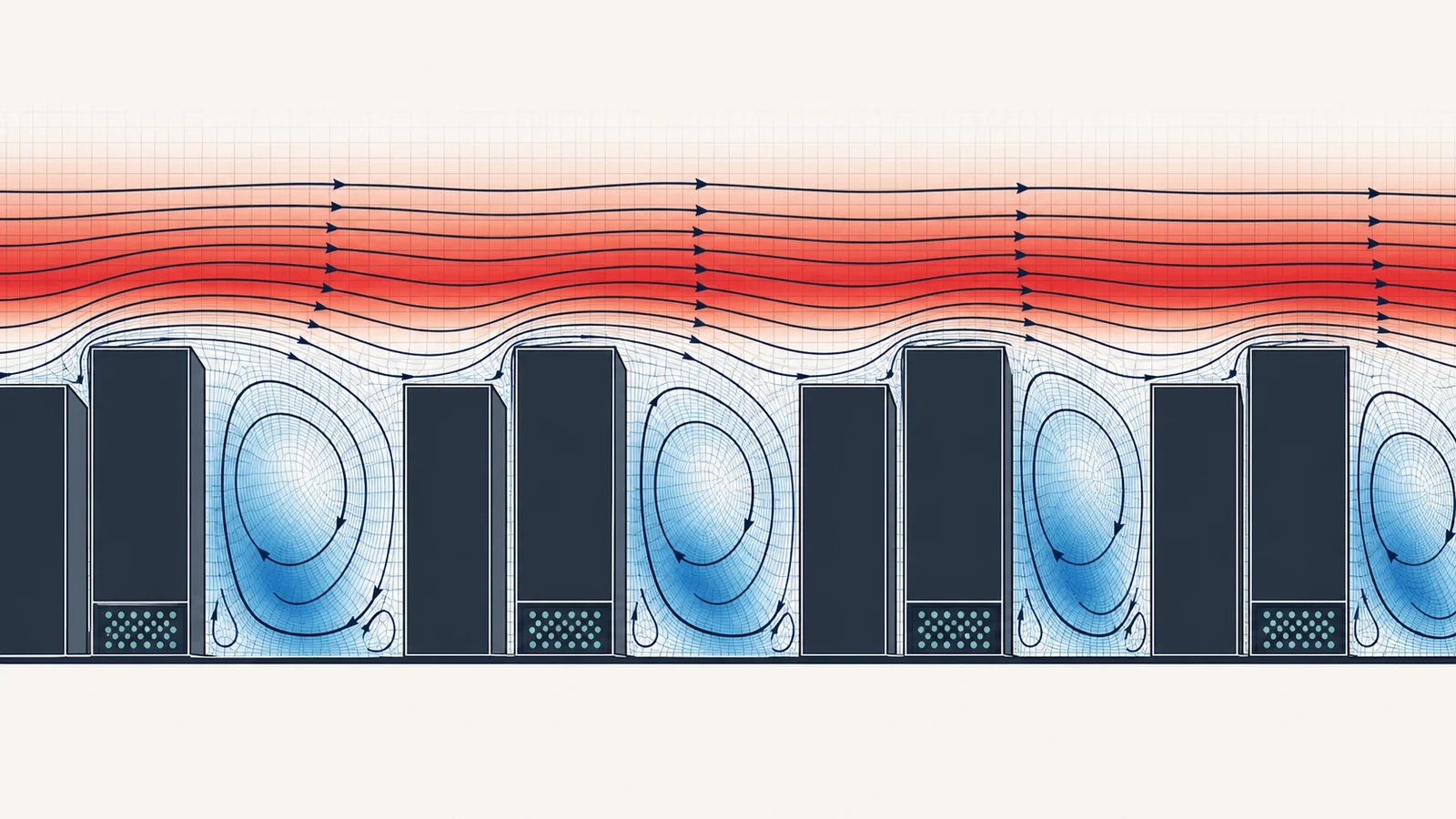
Building porosity, opening configuration, and array length can change pedestrian wind and canyon-scale exchange in different ways. I study those trade-offs through validated CFD.
Read the research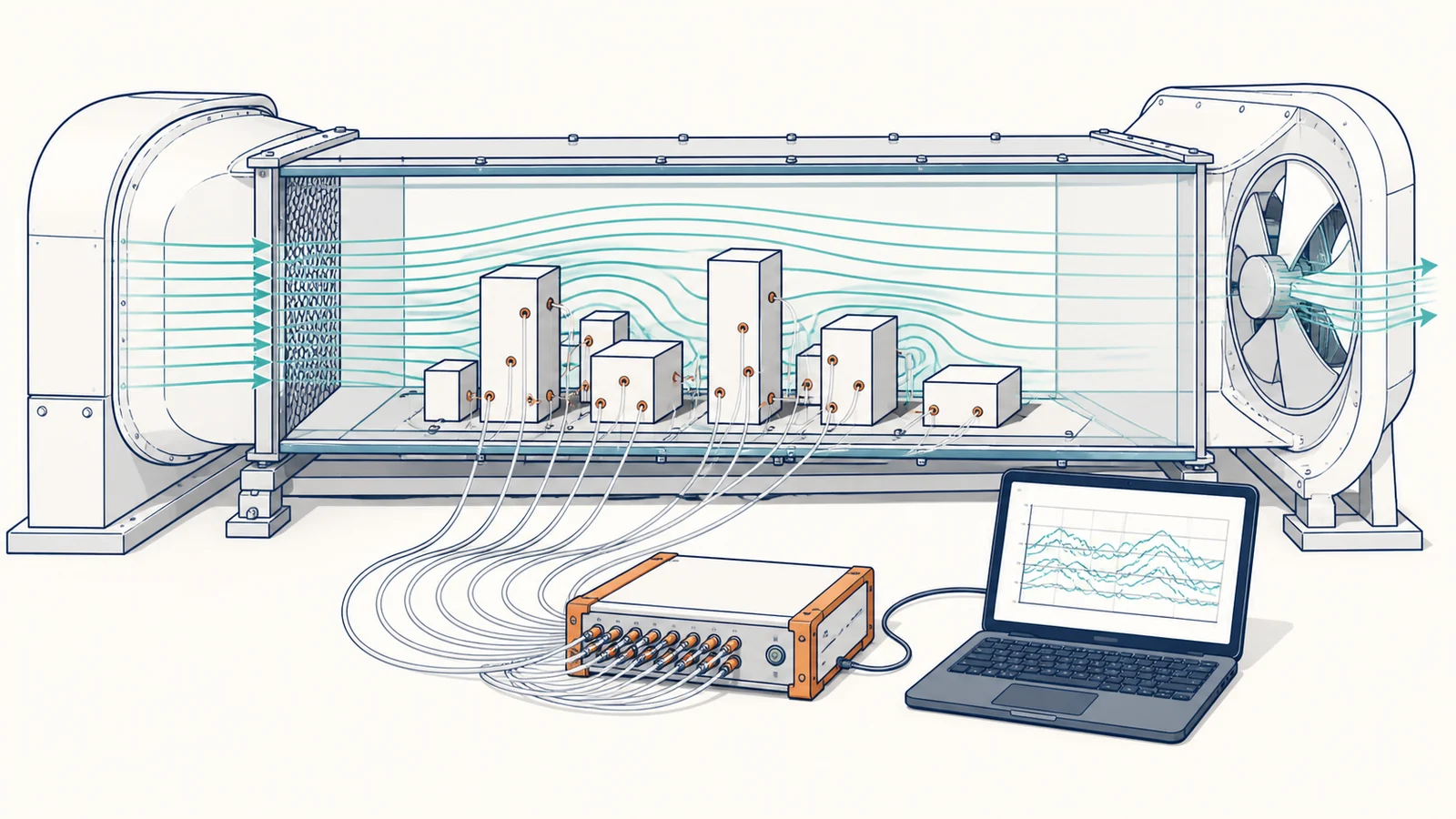 02 / HANDS-ON EXPERIMENTS
From the lab
to the model.
Wind-tunnel models, pressure taps, tubing, data acquisition, and uncertainty analysis. Earlier work also brought me into water-treatment wet labs and infrared field sensing.
My experimental background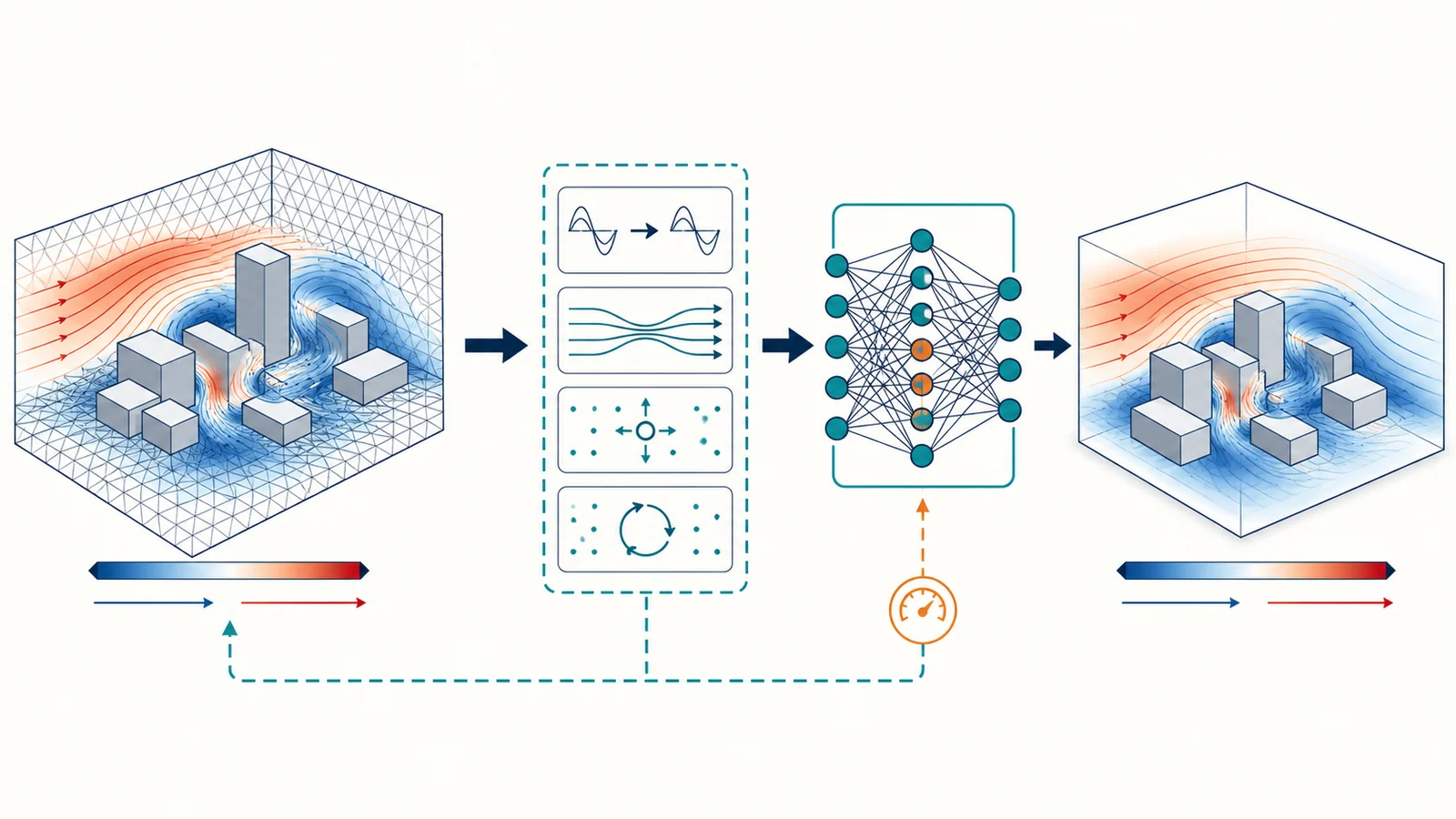 03 / ENVIRONMENTAL AI
Learning with
physical context.
Graph learning and time-series forecasting for environmental operations; LLM-generated heuristics for building energy and HVAC diagnostics; emerging work on pollutant-source inference.
Models & publicationsConcept illustrations of my research themes. Original study figures appear in Publications.
Built on curiosity.
Backed by commitment.
Stages of study.
Three countries.
Full scholarships.
My BSc, MSc, and ongoing PhD education has been supported by full scholarships, allowing me to build an independent path through Israel, South Korea, and Singapore.
Follow my academic journeyIAQVEC Fellowship
Participation support for IAQVEC 2026.
A*STAR Merit Award · SINGA
Doctoral scholarship support at NUS.
AI & Big Data Hackathon · Third Prize
Daewoong Foundation; computer vision and an AI skin-analysis prototype.
Technion Dean’s List
Academic recognition and scholarships.
Always a beginner
at something new.
Hands-on & self-directed
I like building the experiment, writing the code, and following a question through the details. Learning a new tool is part of the work.
Adaptive across disciplines
From civil engineering and water treatment to deep learning, CFD, and LLMs, I take time to learn the fundamentals before making connections.
Open to unfamiliar places
Living in three countries taught me to adapt across cultures and languages, including studying Hebrew and learning Korean.
and life through a lens.Explore my interests ↗
News & milestones
| Sep 2026 | Started a Research Internship at A*STAR, working on pollutant dispersion, source identification, and concentration forecasting alongside my PhD. |
|---|---|
| 24 Aug 2026 | Our preprint, Does building porosity consistently improve street canyon ventilation? A wind tunnel validated CFD assessment, is now available on SSRN. |
| Aug 2026 | Joined BPS5234A CFD Applications in the Built Environment at NUS as a Teaching Assistant, supporting graduate students with modelling, simulation, and troubleshooting. |
| 15-18 Jun 2026 | Presented Validation of RANS and LES Against Wind Tunnel Measurements for Urban Street Canyon Aerodynamics at Indoor Air 2026 in Singapore. |
| 18-22 May 2026 | Presented Aerodynamic response and ventilation enhancement in urban street canyons through building porosity at IAQVEC 2026 in Los Angeles and received the IAQVEC Fellowship. |
| Apr 2026 | Published Design trade-offs in building porosity: A parametric analysis of vertical placement and geometry for urban ventilation in the Journal of Wind Engineering and Industrial Aerodynamics. |
| 30 Sep 2025 | Physics-Informed Large Language Models for HVAC Anomaly Detection with Autonomous Rule Generation was selected as an oral contribution at the NeurIPS 2025 UrbanAI Workshop. |
| 6-10 Jul 2025 | Attended COBEE 2025 - the 6th International Conference on Building Energy and Environment - in Eindhoven, the Netherlands. |
Selected publications
Experiments, models, and data that make environmental systems easier to understand.
- JWEIA
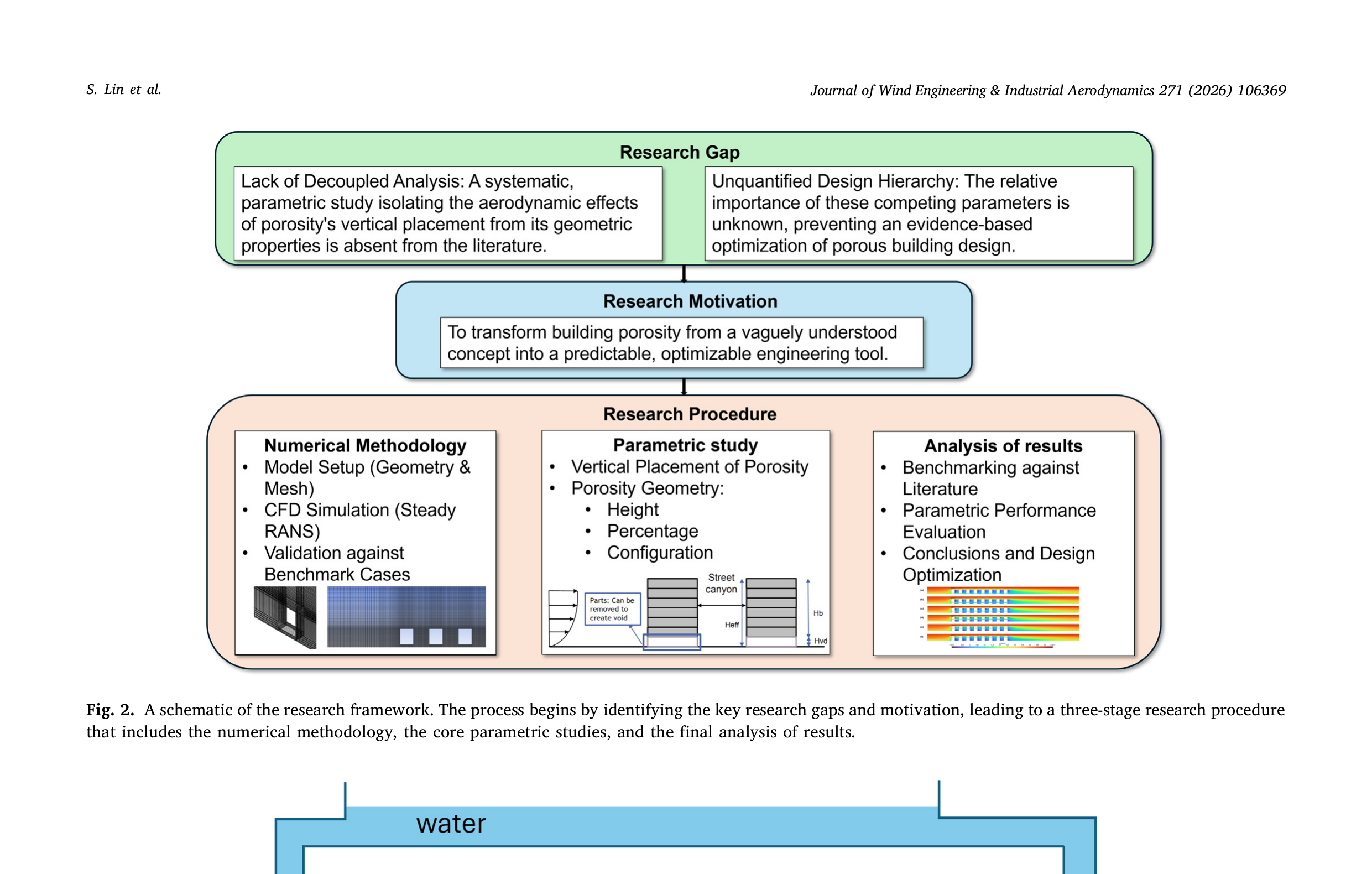 Design trade-offs in building porosity: A parametric analysis of vertical placement and geometry for urban ventilationJournal of Wind Engineering and Industrial Aerodynamics, 2026
A validated RANS parametric study shows that the vertical location of a porous opening matters more than its size: ground-level porosity preserves pedestrian wind, while elevated voids can suppress it.
- Sci. Data
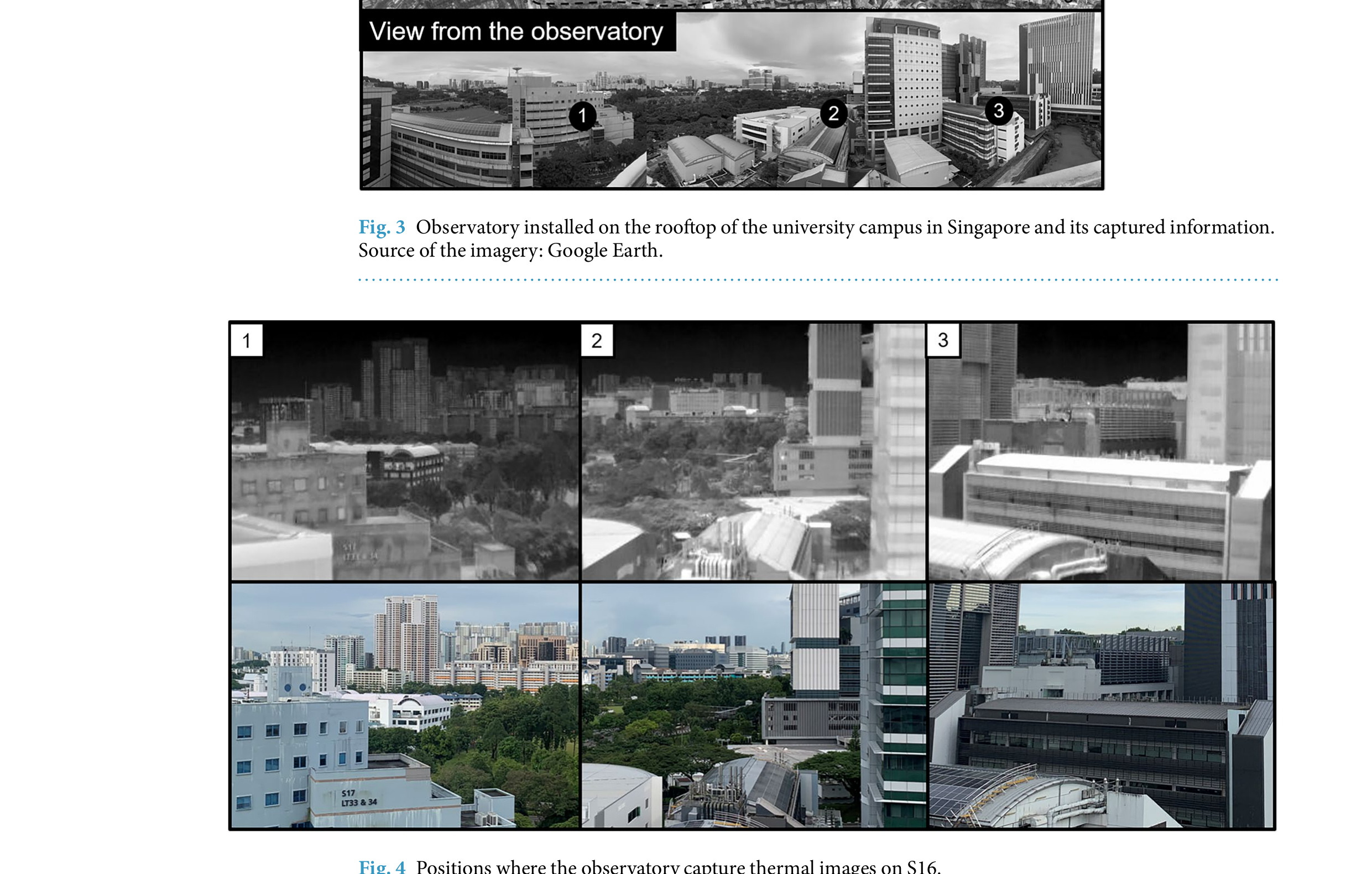 District-scale surface temperatures generated from high-resolution longitudinal thermal infrared imagesScientific Data, 2023
A rooftop infrared observatory in Singapore produced 1.36 million district-scale thermal images, enabling fine-grained study of buildings, roads, and vegetation over time.
- Water Res.
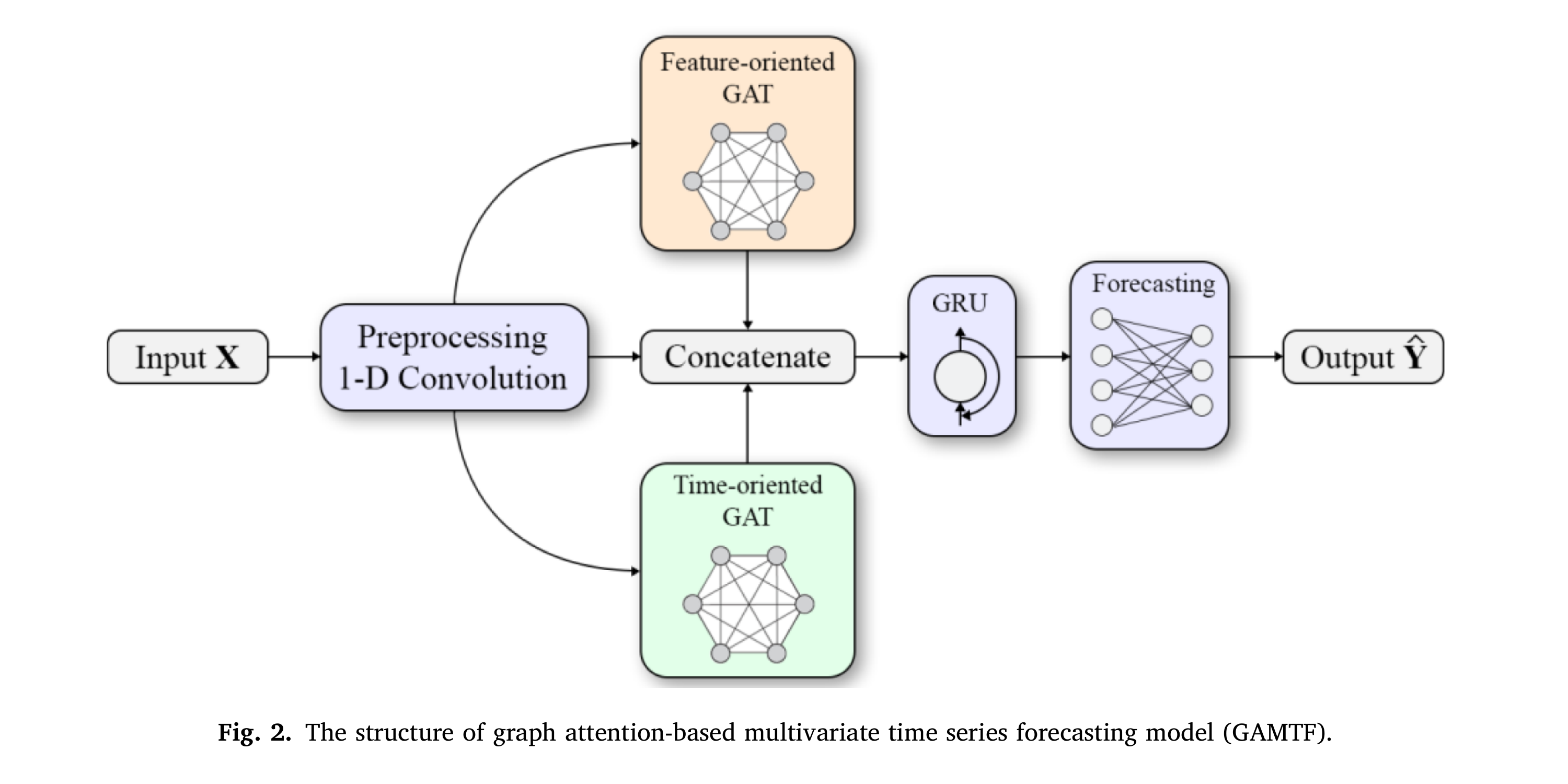 Coagulant dosage determination using deep learning-based graph attention multivariate time series forecasting modelWater Research, 2023
GAMTF combines graph attention with time-series forecasting to jointly predict coagulant dosage and settled-water turbidity from long-term treatment-plant data.
- JWPE
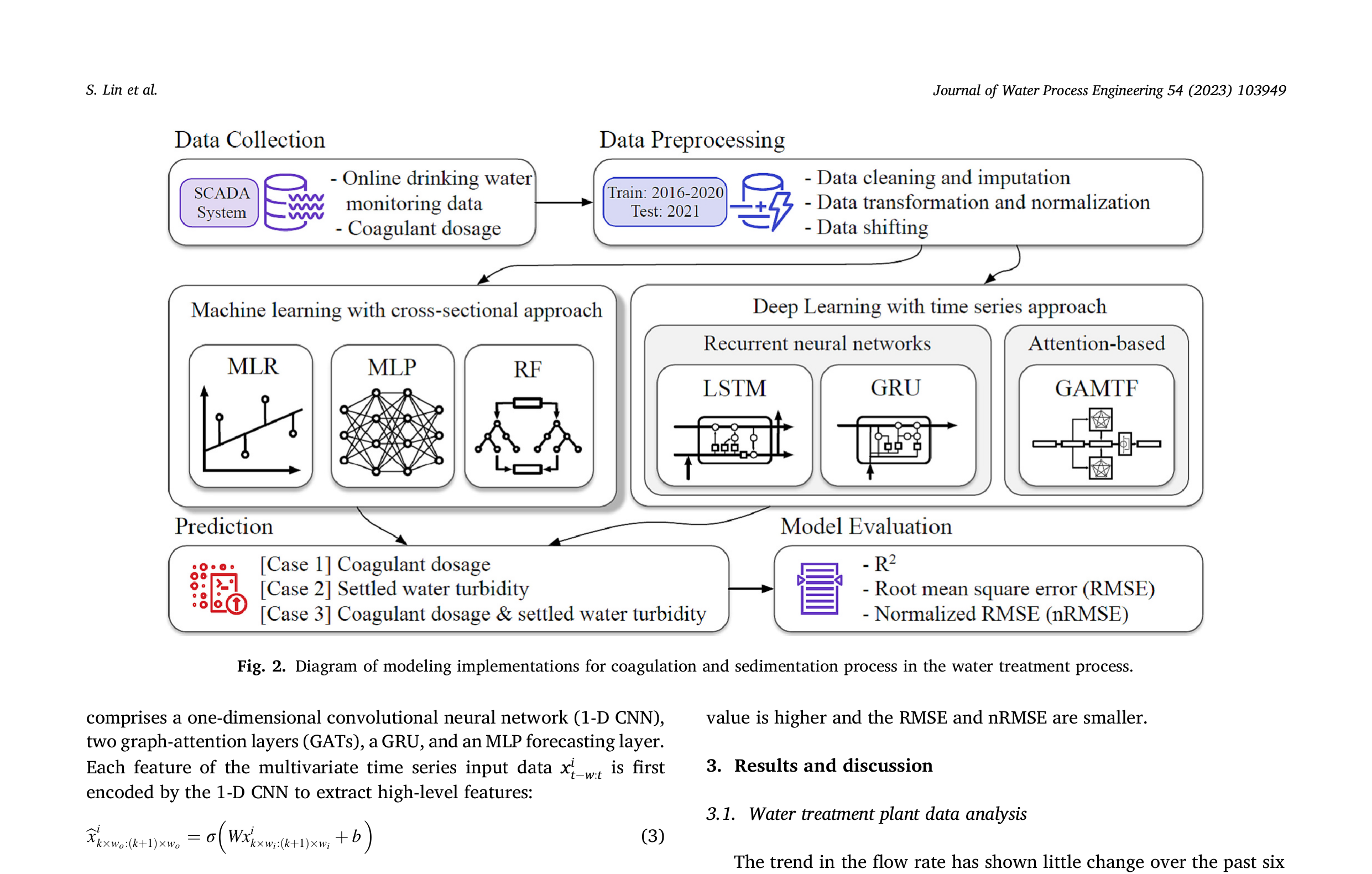 Comparing artificial and deep neural network models for prediction of coagulant amount and settled water turbidity: Lessons learned from big data in water treatment operationsJournal of Water Process Engineering, 2023
Six years of operations data reveal why time-aware deep models improve predictions of both coagulant dosage and turbidity in a changing water-treatment process.
- IAQVEC
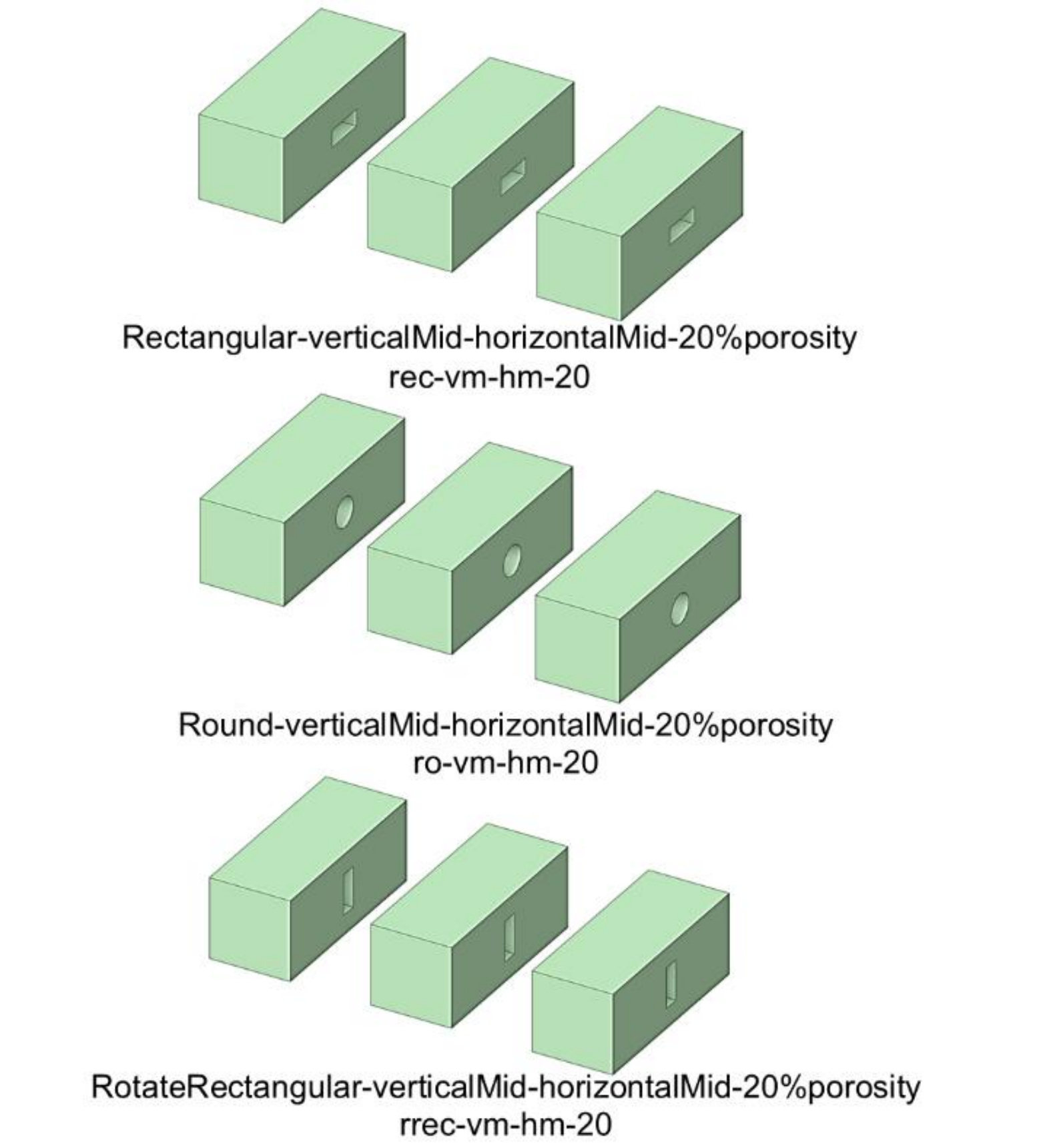 Aerodynamic response and ventilation enhancement in urban street canyons through building porosity: A comparative numerical and experimental studyIn E3S Web of Conferences, 2026
Wind-tunnel measurements and validated RANS simulations compare three void-deck geometries, showing that a slot reaching toward the ground is most effective at flushing the pedestrian zone.